PROTECTING MEDICAL TRAVEL SUPPORT FOR RURAL B.C. RESIDENTS
Ensuring access to specialized healthcare for rural British Columbians in financial need
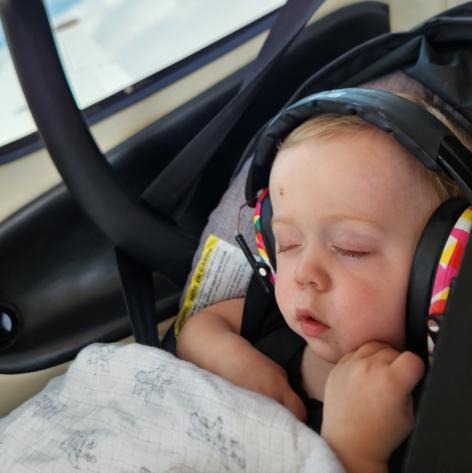
Luca Porter Cranbrook, BC
58%
of low-income patients would delay or cancel care if travel costs exceed $500
$2,600
The average medical travel cost per person per trip without financial assistance
5,600
The number of patients/caregivers that rely on Hope Air annually for medical travel support
THE ISSUE
Thousands of people in Northern B.C., the Interior & Kootenays, Vancouver Island and other rural and under-served communities have no choice. Access to specialized medical care requires traveling hundreds – sometimes more than 1,000+ kilometers – from home.
THE MEDICAL APPOINTMENT MAY BE COVERED. THE COSTS OF GETTING THERE MAY NOT.
Jennifer, Hope Air patient from Terrace, BC
WHEN LOW INCOME PATIENTS ARE SUPPORTED WITH FINANCIAL ASSISTANCE TO TRAVEL FOR MEDICAL CARE:
33%
Fewer local emergency department visits
36%
Fewer hospital admissions
42%
Fewer missed medical appointments
BETTER ACCESS. BETTER OUTCOMES. A MORE EFFICIENT SYSTEM.
Rural hospitals and healthcare providers are at capacity. When patients can reach scheduled specialist appointments, they are less likely to rely on local emergency departments, require hospitalization or make repeated visits to local healthcare providers who may not be equipped to best support complex medical needs. Helping patients reach the right care, at the right time and with the right specialist, supports better health outcomes and reduces avoidable pressure on limited rural healthcare resources.
THE SOLUTION ALREADY EXISTS
Low-income British Columbians living in rural and remote communities should not face financial barriers to accessing medically necessary care because of where they live.
PROTECT & STRENGTHEN MEDICAL TRAVEL SUPPORT PROGRAMS IN B.C.
B.C. has made investments in important programs that help low-income, rural residents travel for care, including the BC Cancer Travel Support Program and the BC Family Residence Program. These programs provide significant financial support for patients & caregivers for airline, hotel, Uber/Taxi and other travel expenses. Provincial funding for these programs should be protected and strengthened to meet ongoing and increased patient demand.
In addition, significant gaps remain – particularly accommodation support for financially vulnerable adult patients, traveling for non-cancer specialized care.
This means that adults travelling for treatment for cardiac, orthopedic, ophthalmology, obstetrics, mental health, diabetes, nervous system, dermatology among many other health issues receive limited or no accommodation support when traveling far to see a specialist.
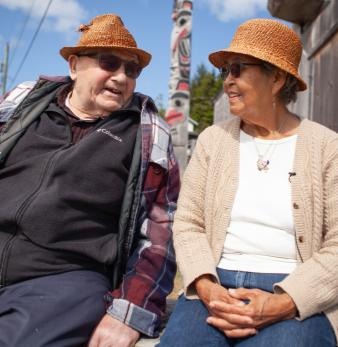
Knud & Merle Anderson Masset, BC
$40,000
average annual gross household income of a Hope Air patient before living expenses
REDUCING BARRIERS OF DISTANCE & COST TO ACCESS MEDICALLY NECESSARY CARE
Families living in rural or under-served communities face significant travel burden and costs to reach medical care unavailable in their home community. Protecting and strengthening provincial funding for the BC Family Residence Program and the BC Cancer Travel Support programs, are critical to delivering equitable access to health care for all people.
HOPE AIR IS ALREADY DELIVERING HELP
Air travel
Accommodation
Airport Ground Transportation
Meal assistance
0+
medical travel arrangements annually
0
flights per year
0
hotel nights per year
Let’s Make the Journey to Healthcare affordable and accessible for all British Columbians. Low-Income B.C. residents living in rural or under-served communities, require medical travel financial support to reduce barriers in access to medically necessary specialist care.
LET'S WORK TOGETHER TO ENSURE THAT WHERE YOU LIVE, DOES NOT DETERMINE YOUR ACCESS TO THE HEALTHCARE YOU NEED.
Hope Air works in collaboration with the following organizations that share a commitment to support equitable access to health care for rural patients. This includes ensuring that medical travel support programs such as the BC Family Residence Program and BC Cancer Travel Support Program continue to be protected and strengthened to serve the needs of rural patients and their families: